Petra Mojžíšová, AT4
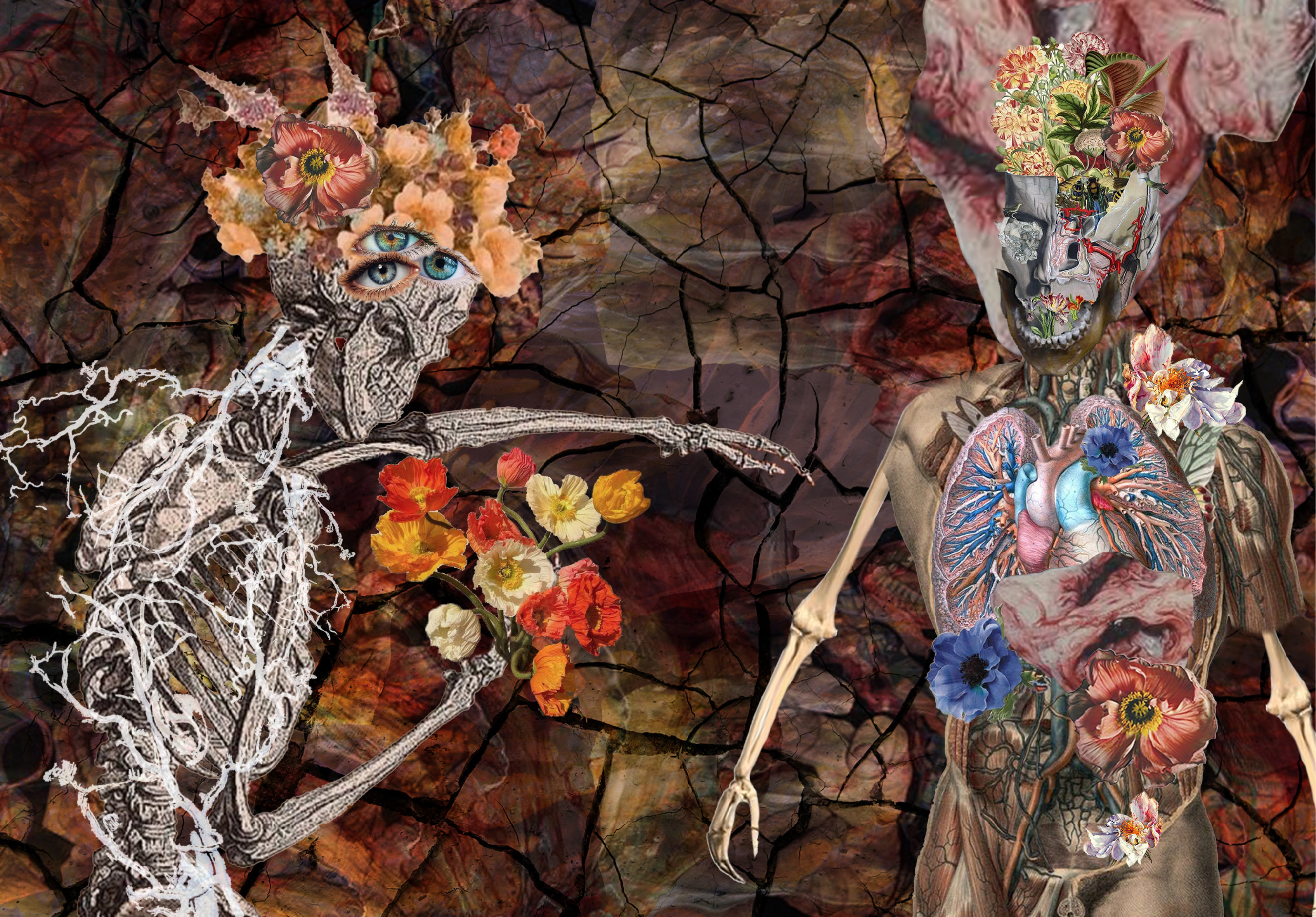
But what is a product?
Is the land we are living on a product?
Is the water we are drinking a product?
Are our streets and sidewalks,
our parks and squares a product?
Are they really products that we can buy?
From economic standpoint it seems easy to answer this question with a yes. But under the consideration of social aspects the answer is much more difficult. These are public assets in its purest form. Water and land are both basic human needs for living. And the general benefits of privatisation seem to not apply to these goods. Land can maybe administrate more efficiently, but there is no line of production regarding a plot of land. As soon as you build something on it there is a line production, but for the land itself, there is not. But what would happen if we saw land and all the other public assets and services as a product like every other?
What would a total privatisation mean?
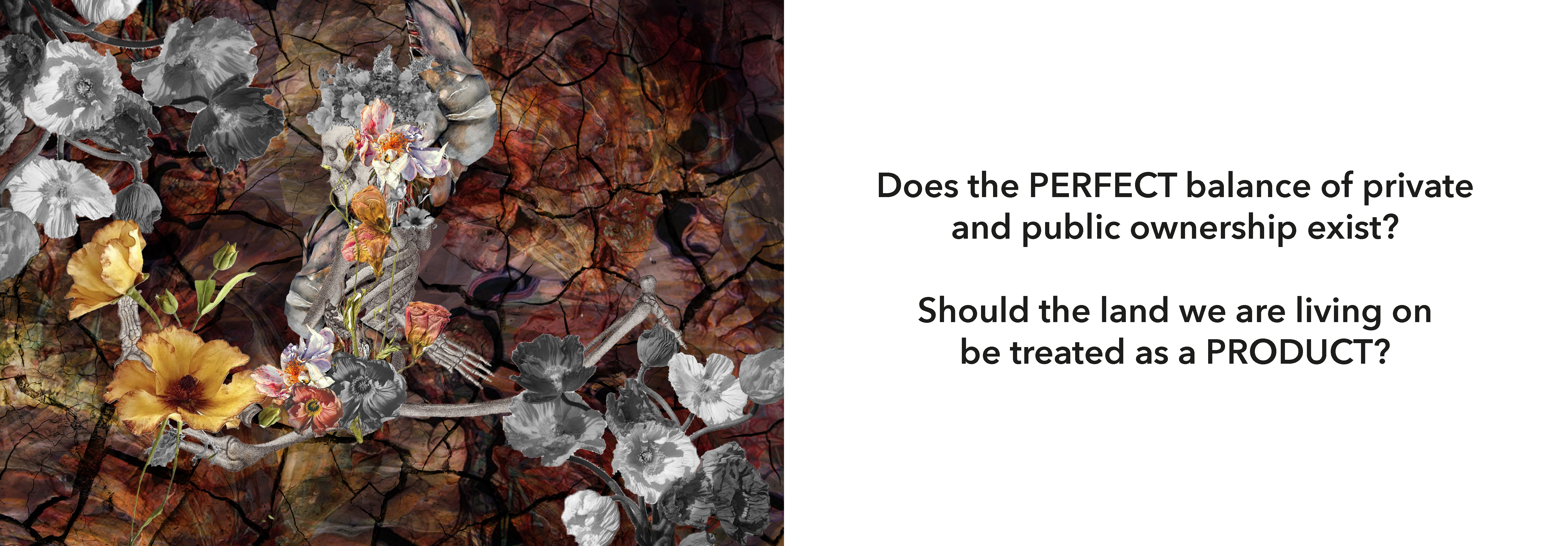
Does the perfect balance of private
and public ownership exist?
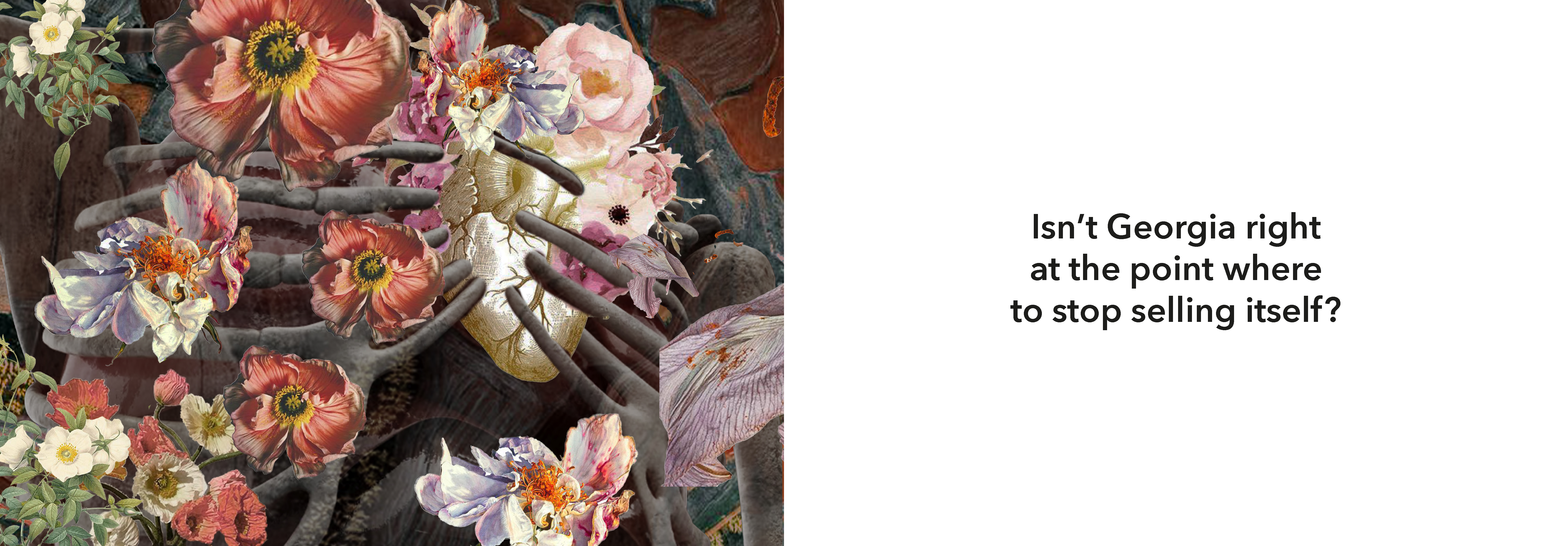
Isn’t Georgia right at the point
where to stop selling itself?
The authors are aware of the complexity of the whole process of transformation (changes in the political system, economy, relations), which is not only about the transformation of land – ownership, but practically the whole society. Therefore, any approach to its evaluation will always reflect a subjective view to some extent.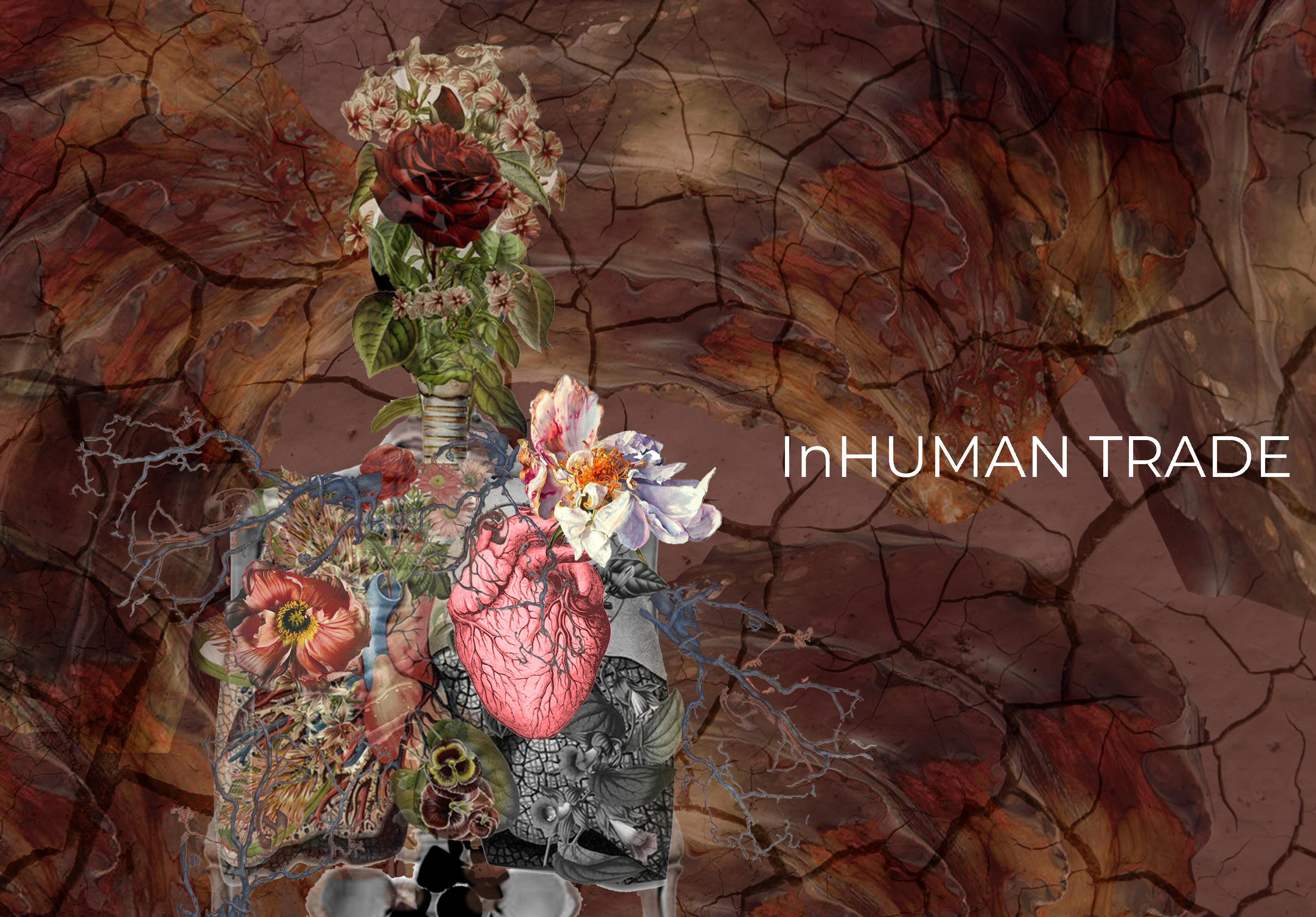
 Portfolio